Bid to buy green jewel in city’s crown launched
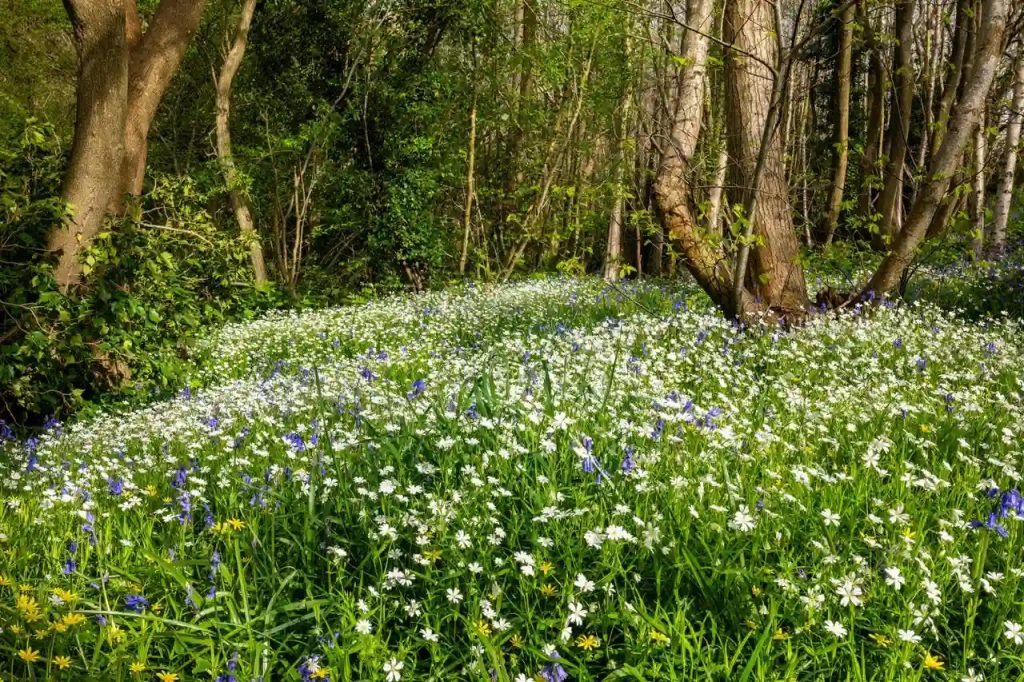
A bid to buy the 220-acre Old Park estate on the outskirts of Canterbury from the Ministry of Defence (MOD) has been launched by Canterbury City Council today (Friday 27 March).
If the bid is accepted, it will be paid for by a grant secured by the council from a third party and not the council taxpayer.
Reporting a decision by officers rather than councillors made because of the tight timelines, a report on the council’s website says: “The council proposes offering the MOD a sum not exceeding the external grant funding provided to bid for the estate, inclusive of stamp duty and legal costs.
“The MOD has indicated it will apply a balanced approach to its decision making, considering both monetary value and broader benefits.”
The report goes on: “Old Park has lacked investment while on the [MOD’s] disposal list resulting in occasional flytipping, litter, fires and antisocial behaviour.
“The addition of 220 acres of mixed woodland, scrub and grassland represents a significant addition to the council’s land holdings.
“However, given the council already owns a large number of parks, woodlands, open space and other similar areas of land, this acquisition would not be introducing a new land use to the council’s portfolio.
“As such, the council is already well versed in what is required to manage and maintain a land holding of this nature.”
The offer of funding is subject to a two-month deadline for signing a funding agreement and a four-month timeline for buying the site.
Cllr Mel Dawkins, Cabinet Member for Environment and Climate Change, said: “I really hope we can get this negotiation over the line as quickly as possible.
“If it comes off, we will be protecting one of the greenest jewels in the district’s crown for generations to come. Watch this space.”
Old Park is a site of international archaeological importance and rare biodiversity.
Located on the eastern fringe of the city near Sturry Road, it consists of a mosaic of habitats including ancient woodland and one of Kent’s largest remaining unspoilt acid grasslands.
It is the oldest excavatable site of human habitation in the UK and the third oldest in Europe.
Stone tools found there, such as Acheulean handaxes, date back over 700,000 years to Homo heidelbergensis.
Historically owned by monks, it became a royal deer park for King Henry VIII and Queen Elizabeth I following the dissolution of the monasteries in 1538.
For nearly two centuries, the site served as a military training ground with barracks for cavalry, infantry, and artillery.
Relics like tank traps and First World War training trenches are still visible.
More than half of the area is a Site of Special Scientific Interest (SSSI).
In September 2025, an additional third of the site was designated as a Local Wildlife Site.
The park is a vital habitat for declining species, including nightingales, turtle doves, and more than 1,000 species of moths.
Published: 27 March 2026